
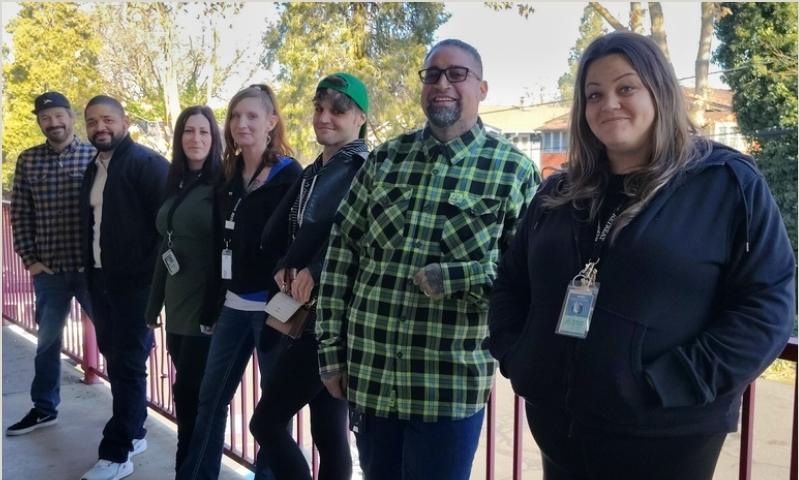
Image Above: Medical Respite Team
When someone experiencing homelessness is discharged from the hospital, recovery does not always end at the hospital doors. Without a safe place to heal, many return to the emergency room again and again for the same untreated conditions. Rogue Retreat’s Medical Respite program exists to break that cycle.
Medical Respite provides short-term, supportive housing for individuals who are medically stable but still need time to recover. Participants are referred through community partners including Asante, Providence, Jackson Care Connect, and AllCare, who contract with Rogue Retreat to ensure patients are discharged to safety rather than the street. Participants must be able to manage their own activities of daily living.
“Our hospital partners use Medical Respite to reduce repeat emergency department visits for the same medical issues,” says Todd Diehl, who oversees the program. “When people have a safe place to heal, they’re far less likely to return to the ER.”
Stays in Medical Respite are intentionally short, often shorter than what is truly needed. Length of stay depends on medical necessity and partner capacity, creating intense time pressure for both participants and staff. Case managers must work quickly to stabilize health, coordinate benefits, and secure longer-term housing.
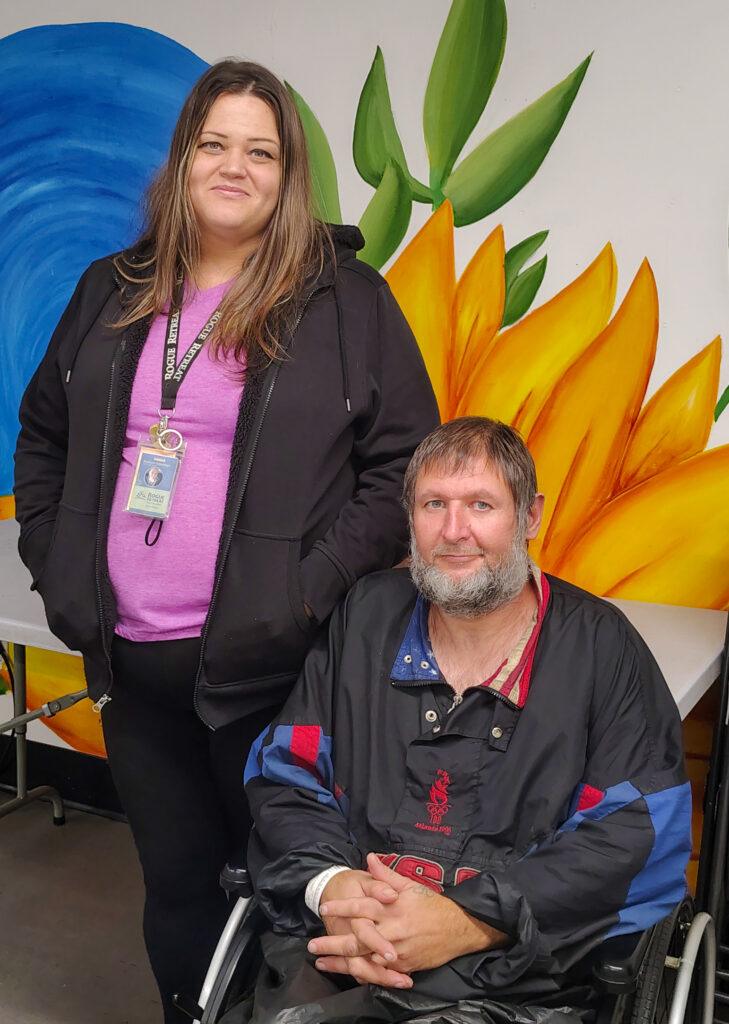
“Medical Respite clients are case managed like everyone else,” Todd explains, “but we have to work faster. We’re addressing medical recovery and housing stability at the same time.”
By preventing unnecessary ER visits, Medical Respite reduces strain on hospitals and helps control rising healthcare costs. It also creates a critical window of opportunity. Many participants move into Rogue Retreat programs and, with persistence, eventually secure income-based housing.